Why Social Connection is So Important in Alzheimer’s & Dementia Care Communities
If someone you care about has Alzheimer’s or dementia, one of your primary concerns is likely how to maintain their quality of life and mental health. While medical care remains critical, research indicates that social connection is equally essential for people with memory-related conditions. This is where memory care communities come in handy. Understanding why social interaction is so crucial in Alzheimer’s and dementia care communities can help you select the best place for your loved one to live and the activities they can participate in daily.
What Effect Does Social Isolation Have On People With Alzheimer’s and Dementia?
People who have Alzheimer’s disease and other forms of dementia may experience a sped-up cognitive decline when alone. When your loved one does not engage in regular, meaningful interactions, their brain does not have as many opportunities to be stimulated, which could help keep existing neural pathways open and slow memory loss. People with dementia who are lonely tend to become more confused, agitated, and depressed. If your family member does not socialize, they may experience more instances of wandering, sundowning, or behavioral issues that are difficult to manage at home. Not having social connections can also influence how they perceive themselves and their worth. Regular interactions with others enable them to remember who they are beyond their diagnosis, preserving their dignity and connection to the world around them.
What Happens When Your Loved One Regularly Interacts with Others?
Participating in regular social activities in specialized dementia care communities can significantly enhance your loved one’s daily well-being. Structured social activities help to maintain language skills, memory recall, and problem-solving abilities over time. When a family member is surrounded by staff and other residents who care about them and understand what they are going through, they tend to become less anxious and agitated. Being around other people can make them feel better, clarify their confusion, and provide positive emotional experiences that can improve their entire day. These critical connections help them retain their personalities and provide moments of clarity when they feel more like themselves. Many families report that when they do things together, they catch glimpses of their loved ones’ former selves, which creates special memories and opportunities to connect emotionally.
How Do Memory Care Communities Plan Meaningful Social Events?
Memory care communities develop special programs tailored to each resident’s stage of dementia. Activities rely on familiar experiences and long-term memories that are still easily accessible. This allows people to participate in social events and activities. Music therapy sessions can help your loved one feel more socially connected. They can listen to childhood songs and sing or dance along with the other residents. These times provide genuine happiness and connection without the added stress of having to remember new information. Art therapy, gardening programs, and reminiscence activities are all gentle ways for residents to connect with one another. These programs are structured yet flexible, allowing your loved one to participate at their own pace while still reaping the benefits of socializing and sharing experiences.
Why Is It So Important That Staff and Residents Get Along?
Every day, the bonds your loved one forms with trained memory care staff members have a significant impact on their emotional health. These caregivers learn about each person’s preferences, dislikes, communication styles, and backgrounds, enabling them to create social experiences tailored to each individual. Skilled staff members understand how to communicate with residents in various stages of dementia and how to maintain their dignity while reducing frustration. This one-on-one care makes your senior loved one feel valued and understood, rather than just being taken care of. Consistent caregiving relationships provide your loved one with a sense of security and familiarity, which is especially important as other aspects of their lives become more confusing. These trusted connections give their daily life a sense of predictability.
How Do Peer Relationships Develop in Memory Care Settings?
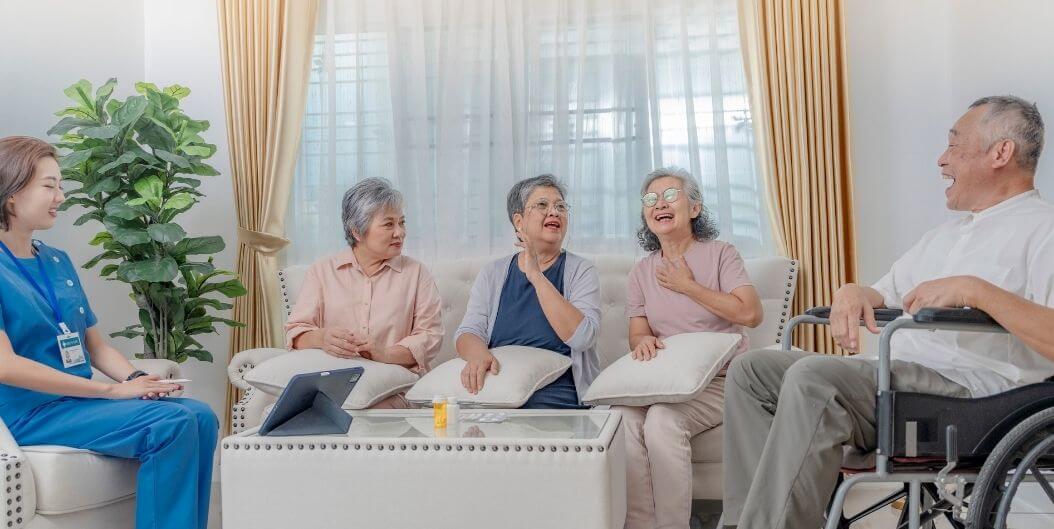
People who live in memory care communities often form friendships through shared activities and daily routines, rather than through verbal communication. During meals, your loved one may create a special bond with a tablemate, or during exercise, they may seek comfort in a walking partner. Family members cannot always be there for each other due to distance, work, or the emotional toll of witnessing someone’s mental decline. These relationships provide mutual support and companionship. In a supportive community, peer connections occur naturally. Some of the residents form friendships and protect and comfort one another when they are confused, or they celebrate small victories together. These connections remind your loved one that they can still care for others even when they are sick.
How Do Family Visits Facilitate Social Connections?
Visits to memory care homes are an essential part of your loved one’s social wellness plan. Regular contact with family allows them to stay connected to their past life while also forming new, positive connections in their new home. Memory care communities frequently advise visitors on the best ways to maximize positive interactions while minimizing confusion and agitation. Staff members can advise you on the best times to visit and which activities are most suitable for your senior loved one. These visits are also beneficial to you as a family member, as you can see your loved one performing well in social situations and enjoying various activities. Witnessing them interact with others can boost your confidence in the care your loved one is receiving.
How Can You Help Your Loved One Maintain Good Social Connections With Others?
Encouraging your family members to participate in community activities enhances their health and enables them to form friendships with staff and other residents. Even brief conversations with others can make a significant difference in their daily lives. To stay involved, ask the staff about your loved one’s social preferences as well as any new friends they’ve made. This information helps you understand how they are doing right now and gives you topics to discuss when you visit.
Looking for a Safe and Secure Space that Improves Your Loved One’s Emotional and Social Well-being? Discover Elison Memory Care of Marietta
Social connection is the foundation of effective dementia care, which respects your loved one’s dignity while also enhancing their emotional and cognitive well-being. Here at Elison of Marietta, we provide a memory care program that helps individuals make friends by participating in activities tailored to their needs. Schedule a tour to discover how our social approach to memory care can help your loved one feel more connected, purposeful, and joyful in their daily life.